| 导演: | 法提赫·阿金 |
| 主演: | Jessica McIntyre 乌尔里奇·图克尔 丹尼斯·莫斯奇托 黛安·克鲁格 Şiir Eloğlu 约翰尼斯·科斯奇 努曼·阿卡尔 更多>> |
| 剧情: |
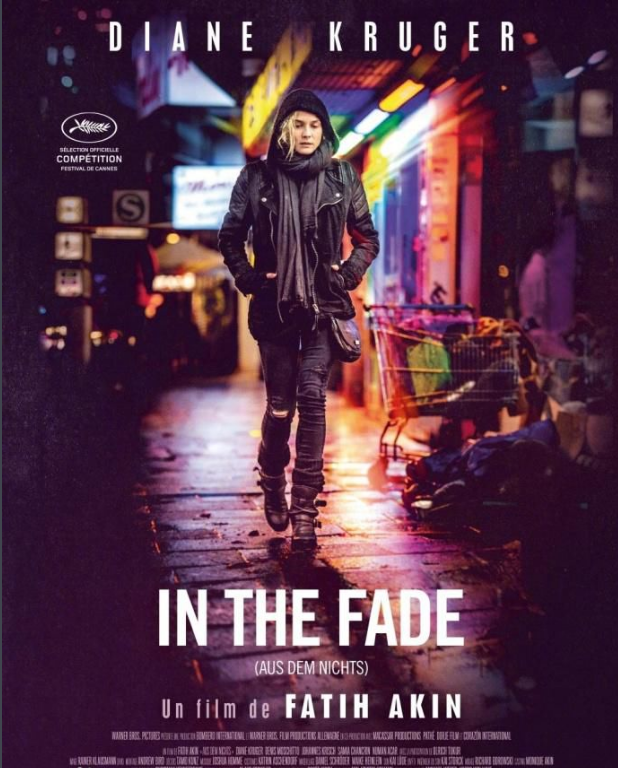
Katja一家居住在汉堡的土耳其移民社区,一场突如其来的爆炸夺去了Katja丈夫和她女儿的生命。随着调查的展开,调查人员慢慢发现,这场爆炸是一对持极端民族主义立场的德国年轻情侣所为。Katja夫妇曾经参与贩毒的过往让他们成为了年轻情侣律师手中的杀手锏。警察曾在Katja家中搜出毒品,而Katja也承认了自己曾吸食毒品的事实。也正是Katja吸毒的经历成为了法庭戏中辩论的焦点。然而得益于证据不足,这对年轻情侣被无罪释放,Katja也从此走上了一条报仇之路。 |
星关系共收录乌尔里奇·图克尔作品17个,其中剧情13个,喜剧4个,惊悚3个,战争2个,犯罪2个,传记2个,历史1个,音乐1个,动作1个,悬疑1个,冒险1个。
作品指数
乌尔里奇·图克尔作品年表(17)
2017
2012
2011


| 导演: | 吉勒莫·塞勒 |
| 主演: | 托尼·阿伦·艾比 维他亚·潘斯林加姆 莎朗·斯通 德米特里·纳扎罗夫 卡洛·勃兰特 Marc Ruchmann 维罗妮卡·罗萨蒂 Chantal Banlier 尼鲁德·斯里詹亚 杨・阿默纳凯 更多>> |
| 剧情: | 拉戈·温奇在他的养父去世之后继承了W集团的股份。面对庞大的遗产拉戈接手公司后决定将W集团出售,用全部资金建立一个人道主义组织和慈善基金,以便尽可能多地帮助贫困和身患疾病的人。可是就拉戈在公海上签署股份出售协议时,警察包围了他的船。多年一直替养父到处寻找他的仆人也被杀死在船舱中。拉戈被控卷入到一场缅甸村庄大屠杀的犯罪案件当中,作证的神秘证人竟然是拉戈的情人潘拉姆。她深爱着拉戈为什么要这么做,当得知在举证后被遣送回缅甸时,拉戈不顾一切地要去救她,并回到原来居住过的缅甸调查事情的真相。没想到,这背后居然藏着一个巨大的阴谋。面对重重陷阱、追杀,智勇的拉戈巧妙利用神秘“潘多拉”账号转帐一欧元,吸引警察的视线,真相逐渐大白之际,幕后真正的黑手再也坐不住了,他竟然是拉戈最可靠和值得信赖的朋友。 |
| 导演: | 希尔维·埃斯蒂巴尔 |
| 主演: | 赛森·加百 马克·米夫休德 Rania Zouari David Leguesse Gassan Abbas 乔纳森·格里马 Tiziana Azzopardi 巴亚·贝拉尔 马尔科姆·埃尔 爱德华·梅谢卡 更多>> |
| 剧情: | 巴勒斯坦渔夫贾法尔()某日意外的发现自己的渔网捕获到了一只来自越南的猪。为了不让政府知道这只在伊斯兰世界里“不洁净”的动物,他小心谨慎的隐藏猪的行踪,想过出售,甚至一度管好友借来AK47枪谋杀此猪。失败之后,沙法尔意外地发现通过向以色列姑娘埃莉娜()出售猪的精液可以得到高额回报以改善自己濒临崩溃的生活。尽管家里住着士兵的情况下隐藏一头猪是千难万难,然而贾法尔靠着这个“异端”活得却有声有色。好景不长,藏猪的事情终于败露,然而贾法尔的解释却让自己莫名其妙地变成了“准备用猪去做自杀性爆炸袭击”的恐怖分子,甚至成为了巴勒斯坦的圣战英雄。但贾法尔却不愿成为圣战的牺牲品,携猪一起选择了逃离,于是炸弹袭击变成了一场以巴双方的闹剧。 |
2009


| 导演: | 迈克尔·哈内克 |
| 主演: | 伯格哈特·克莱斯纳 勒文·亨宁 约瑟夫·贝尔比奇 迈克尔·克兰茨 莱纳德·朴罗夏夫 乌尔里奇·图克尔 莱纳·波克 提奥·特雷博斯 布兰科·萨马罗夫斯基 斯黛菲·库恩特 更多>> |
| 剧情: | 故事发生在1913至1914年间的一个德国小村庄。这原本是一个气氛祥和、安居乐业的小村子,可是最近却不断发生了一些离奇古怪,甚至令人毛骨悚然的事情。医生骑马回家的时候被绳索绊倒受伤,人们马上展开调查的同时,牧师对两名晚归的孩子施以体罚,并为孩子们系上了象征纯洁的白丝带。第二天,一名佃农的妻子因事故身亡,乡村教师在河边发现男孩马丁在高处行走,马丁声称想知道上帝是否要惩罚他。教师与男爵家的保姆伊娃相识,彼此留下了良好印象。不久男爵主持了丰收典礼,身亡农妇的儿子认为男爵对母亲的死有责任遂破坏了男爵的菜园泄愤。所有这些恶性事件可能的始作俑者迟迟没有调查出来,纵火和针对儿童的毒打仍然发生。第二年费迪南大公遇刺之后,教师似乎发现了一些线索,但却被牧师强硬的制止。不久之后,欧洲各国开始宣战。 |

2008

| 导演: | 马丁·波渥斯 |
| 主演: | Corentin Lobet Léna Bréban Anne Bennent Josette Ménard 阿德莱德·勒胡 友兰达·梦露 乌尔里奇·图克尔 尼克·罗格勒 Serge Gaborieau 更多>> |
| 剧情: |
一战前,法国巴黎附近的小镇桑利斯,样貌平凡、独来独往的中年妇女赛哈芬妮·路易(友兰达·莫霍 Yolande Moreau 饰)在杜佛夫人(Geneviève Mnich 饰)家帮佣,靠打扫和洗衣维生。赛哈芬妮收入微薄,却将所赚的钱都花在画材上,下工后抓紧一切时间画画。致力提倡“素朴艺术”的德国收藏家威威廉·伍德(乌尔里克·土库尔 Ulrich Tukur 饰)搬入了杜佛夫人的出租公寓,在一次聚会上惊见赛哈芬妮的画作,立刻买下她所有的作品,并且鼓励她继续创作。不久一战爆发,威廉·伍德和妹妹连夜逃离,赛哈芬妮独留小镇,战火中继续作画,生活越发贫困艰难,直到 1927年,威廉·伍重返法国…… 本片荣获2009年法国恺撒电影节最佳影片、最佳女主角、最佳原著剧本、最佳电影配乐、最佳摄影、最佳布景、最佳服装共七项大奖,并获最佳导演及最佳声音奖提名。 |
2007

2005

2004
2001

| 导演: | 伊斯特凡·萨博 |
| 主演: | 奥古斯特·席纳 斯特兰·斯卡斯加德 哈维·凯特尔 莫里兹·布雷多 波奇特·密尼梅雅 乌尔里奇·图克尔 更多>> |
| 剧情: | 《指挥家的抉择》是2001年上映的剧情片,由伊斯特凡·萨博执导,哈威·凯特尔、斯特兰·斯卡斯加德等主演。影片讲述了德国著名指挥家富特文格勒在战后接受“非纳粹化调查”,负责调查工作的是美军少校史蒂文·阿诺德,在整个过程中,阿诺德一直深信福特温格勒和纳粹一样有罪并力图找到确凿的证据。然而,在调查中阿诺德发现自己的两个助手包括盟军上校在内的很多人都对福特温格勒抱有好感。面对这种情况,阿诺德反复为自己播放集中营处理尸体的录像来加强自己的判断。但是事与愿违,阿诺德找不到福特温格勒协助纳粹的证据,却看到人们对指挥家的的仇恨很多来源于不了解内情。最后他发现,“非黑即白”的理论无法适用在这位在纳粹政权下坚持履行艺术家职责的指挥家的身上。 |
1992

| 导演: | 罗兰·格拉夫 |
| 主演: | 乌尔里奇·图克尔 科琳娜·哈弗奇 Uwe Kockisch 更多>> |
| 剧情: | 丽莎的父亲是著名历史学家,他被发现心脏病突发猝死在路边座椅上。丽莎在检查父亲遗物时发现了一些笔记,她认为父亲并非正常死亡,而是有可能遭到谋杀。带着疑问丽莎告别男友路德维希,独自前往父亲笔记中所记录的地点。 在那里丽莎见到了已经退休的警官布特史达特,但从他那里丽莎没有得到任何线索。就在丽莎准备离开时,她突然发现布特史达特和一名男子偷偷约会,而这个男子曾经出现在父亲的葬礼上。丽莎偷偷跟踪男子来到其家中,有了更加惊人的发现:路德维希竟然在这里。 通过攀谈丽莎得知,这名男子名叫埃姆勒,他的父亲曾经是纳粹军官。二战期间德国人入侵苏联,将藏在凯瑟琳宫中的价值连城的琥珀宫拆卸下来,装满几十个箱子运回了德国。几十年来没有几个人知道琥珀宫的下落,而当初参与这一事件的人都莫名死去,其中就包括埃勒姆的父亲。现在很多人都在寻找琥珀宫,丽莎的父亲也一直在研究藏匿琥珀宫的真正地点。然而就在他刚刚有所发现时,便死于非命。 埃姆勒提出和丽莎以及路德维希联手寻找琥珀宫,如果真能找到,那不仅是一笔无法估量的财富,同时也可以慰藉丽莎死去的父亲。丽莎接受了埃姆勒的提议,通过对当年希特勒的密电文分析,大家认为藏匿琥珀宫的地点就在兴费尔斯的一座城堡。于是丽莎三人前往那里,却一无所获。 一个神秘电话打到丽莎的旅馆,对方称知道丽莎父亲被谋杀的真相,丽莎前往与之会面。然而丽莎没有想到,这个名叫科斯特罗的男人竟然一直在背后偷偷关注丽莎的所有行踪,他的目的也是为了找到琥珀宫。科斯特罗给丽莎打针进行催眠,他从丽莎口中得知今天埃姆勒和路德维希要继续前往城堡附近寻找琥珀宫,于是科斯特罗便也立即乘车来到了城堡附近。 埃姆勒和路德维希进入到城堡旁的瀑布里面,在这个天然形成的溶洞中,他们找到了多个二战时期留下的木箱。正当两人为此兴奋时,却发现这些木箱里装的不过是二战期间纳粹的宣传品。失落的埃姆勒和路德维希从瀑布中走出来,路德维希被赶来的科斯特罗劫持,而返回住所的埃姆勒则遭到炸弹袭击身亡。 逃出来的丽莎再次找到了布特史达特警官,在他的帮助下,路德维希被救了出来,科斯特罗被击毙,布特史达特警官也身负重伤。丽莎厌烦了这种紧张杀戮的生活,他和路德维希一起返回了家中。而琥珀宫仍然是一个谜,没有人知道它究竟被藏在哪里,或许它就在丽莎所居住的公寓中。 |
1988
1986

| 导演: | 萊因哈特·豪夫 |
| 主演: | 乌尔里奇·图克尔 汉斯·克里斯蒂安·鲁道夫 Marina Wandruszka 更多>> |
| 剧情: | This, the controversial winner of the 1986 Berlin Film Festival, is rarely seen on TV screens these days, at least in it's native country. This is not unlikely to be caused by the controversy of the subject. Based on a script by well-known German journalist Stefan Aust, who himself based the script on his lengthy book "The Baader-Meinhof-Complex" about 1970s terrorism in Germany, and directed by Reinhard Hauff , "Stammheim" reconstructs the trial against four leading figures of the so-called Red Army Fraction. The RAF was the prime terrorist movement in Germany from the early 70s on, split in three different "generations", with the prisoners of this trial being the first. . Stammheim is a suburb of the city of Stuttgart, and here stands the jail house especially build for terrorists and equipped with an own trial room to host prosecution against, as it was called then, "participation in terrorist alliances". During the course o this particular trial – which became famous as "the" Stammheim trial, thus the title –, the defendants used every opportunity to display their political propaganda, and chances were given quite a lot during the 192 days it ran. At the same time they aimed at unmasking the judge and the attorneys as ideologically driven quasi-Nazis; they tried to manipulate the trial, supported by their lawyers , and their eager agitation gave insight into their own thoughts, perspectives and prejudices. In essence, the four RAF leaders claimed that the German government was on it's direct way back to fascism, especially after supporting the US-American attacks on Vietnam. Therefore it was just to fight the state, destroy it's facilities or even kill people in charge. This is the outline of the recitations that make up this film. Hauff presents scenes from the trial by juxtaposing few fictional elements with lots of quotes from the actual protocols. The atmosphere is theatrical and a bit surreal, with the setting – as realistic as it is – looking almost like sci-fi . Given the impact that the RAFs terror made in German politics and society from the 70s up until 1998 , the picture is dynamite: For instance, it dares to focus on the highly controversial topic of "raison d'etat", which stands – in the eyes of the RAF and their lawyers – for the German authorities' secret strategy of killing "political prisoners". When, in 1977, the Baader, Raspe and Ensslin killed themselves , many supporters and intellectuals accused the state of murder. But before that, following the sentence to life-long prison for each defendant came the most famous kidnapping case in German history. It is not seen in the film, which ends with the sentence, but viewers should be aware that the second generation abducted an influential industrial manager to blackmail the freeing of the first. After that failed, a plane full of travelers on their way home from summer holiday was hijacked additionally. In the end, the managed was killed, the passengers were freed violently, and the inhabitants of Stammheim took their own lives that very same night. The film is all about talking, confronting positions, discourse. The action is in the words. For those familiar with the background of the story and it's social, psychological and political implications, "Stammheim" delivers stunning entertainment by making the trial visible. Even if you don't know about the roots of the film, it is still impressive. It's a laudable achievement in bringing together fiction and political reality in a unique and thrilling way. |
